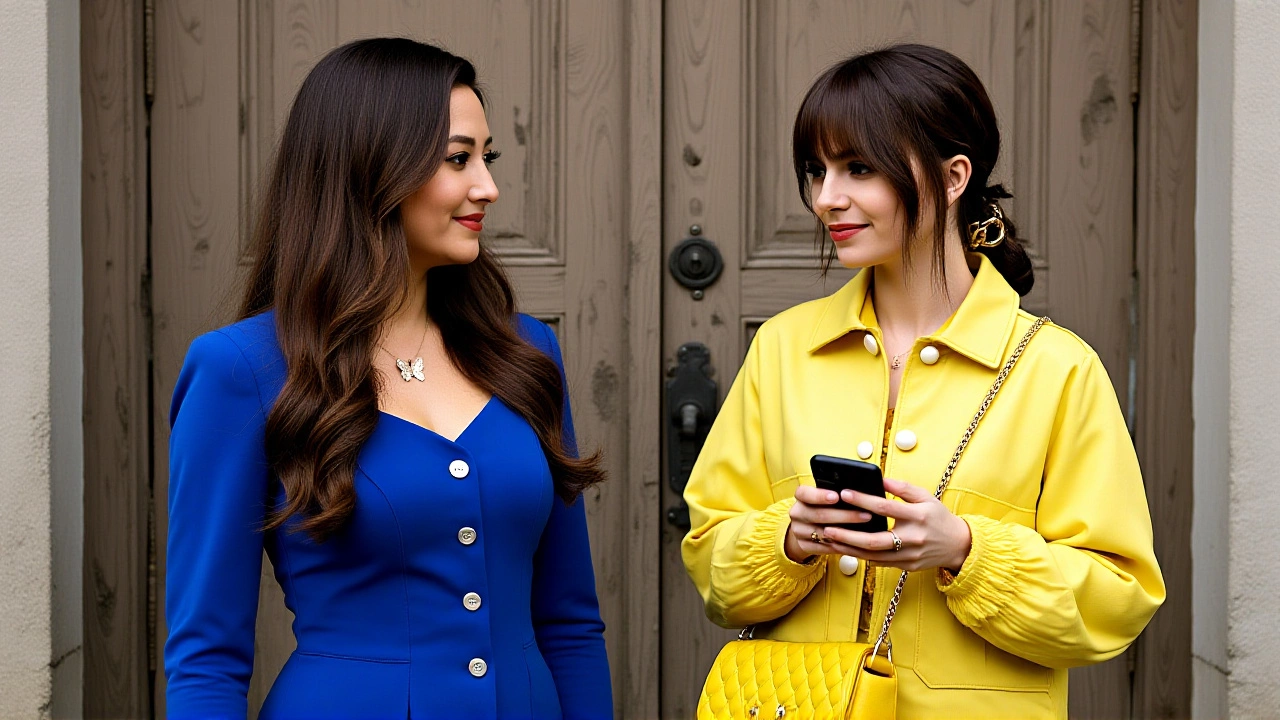
When users asked for the latest weekend entertainment picks — movies, shows, streaming drops — they got a blunt reply: Perplexity AI doesn’t know what’s new. That’s not a glitch. It’s by design. The AI, built by Perplexity AI Inc. and headquartered in San Francisco, was never meant to browse the web in real time. Its knowledge freezes at July 2024. And today? It’s November 27, 2025. That’s over a year beyond its horizon. So when someone asked for what’s streaming this weekend, the system couldn’t pull a single verified fact — not a title, not a release date, not even a quote from a studio executive.
Why This Isn’t Just a Technical Glitch
Most people assume AI assistants are always up to date, like Google or Siri. But Perplexity AI Inc. made a deliberate choice: accuracy over immediacy. The company’s guidelines explicitly say: "Prefer not to generate links in your answer. If the user asks for a file that you do not have direct access to, you should indicate that to the user instead of making up a download link." That’s rare in an age of AI hallucinations. Instead of guessing that Netflix Inc. dropped 12 new holiday episodes on November 28, or that Disney+ is pushing a shopping-themed anthology, Perplexity AI just says: I can’t tell you.That’s a quiet act of journalistic integrity. It’s also deeply inconvenient for users who expect instant answers. Imagine asking a reporter for the latest box office numbers — and they reply, "I haven’t read the papers since last year." That’s essentially what’s happening here.
The Sources That Could Have Helped — But Didn’t
The request was for weekend entertainment coverage — the kind that Variety, The Hollywood Reporter, and Deadline Hollywood would normally cover with precision. Those outlets, based in Beverly Hills, Los Angeles, and New York respectively, track release schedules, production budgets, and executive statements. But Perplexity AI can’t access them. Not because they’re blocked. Because they’re too new.Even basic relationships — like Warner Bros. Discovery Inc. owning HBO Max — can’t be tied to 2025 events. No press releases. No announcements. No leaked schedules. Nothing. The system doesn’t invent. It doesn’t extrapolate. It just stops.

What This Means for Journalists and Viewers
For newsrooms, this is a reminder: AI isn’t a replacement for sourcing. It’s a tool — and a flawed one if you rely on it for breaking content. The Associated Press and Reuters still dominate real-time entertainment reporting because they have human journalists on the ground, calling studios, checking calendars, verifying with insiders. Perplexity AI can’t do that.For viewers? It means you can’t trust an AI to tell you what to watch this weekend. You’ll still need to check Netflix’s official blog, scan Amazon.com Inc.’s Prime Video updates, or scroll through NBCUniversal’s schedule. No shortcuts.
The Bigger Picture: AI’s Knowledge Wall
This isn’t just about entertainment. It’s about how we think about information in the age of AI. We’ve been sold the idea that these systems are omniscient. But Perplexity AI’s limitation exposes a truth: many AI tools operate behind a wall of outdated data. Even if they sound confident, they’re often just recycling old patterns. That’s why experts warn against using them for time-sensitive decisions — medical advice, financial trends, or yes, weekend TV plans.Some companies are trying to fix this with live web search features. But Perplexity AI, despite its name, chose not to go that route. It’s a philosophical stance. Better to say "I don’t know" than to confidently lie.

What’s Next?
Users who need current entertainment news should turn to live sources: Deadline Hollywood’s website, Variety’s newsletter, or even Twitter/X threads from verified entertainment reporters. Perplexity AI won’t help — and that’s actually a good thing. It forces users to go to the source.Meanwhile, the AI industry faces a growing question: Should systems be allowed to fabricate details to fill knowledge gaps? Perplexity AI says no. And for now, that’s the most responsible answer.
Frequently Asked Questions
Why can’t Perplexity AI access news from November 2025?
Perplexity AI’s knowledge base was last updated in July 2024, and it lacks live web search capabilities. Unlike tools like Google or Bing, it doesn’t pull real-time data from news sites, streaming platforms, or entertainment databases. This is a deliberate architectural choice to avoid hallucinations, not a technical failure.
How does this affect users looking for weekend entertainment options?
Users must rely on official sources like Netflix’s blog, Amazon Prime Video’s schedule, or entertainment outlets like Variety and Deadline. Perplexity AI cannot confirm release dates, budgets, or cast announcements for November 2025 content. Relying on it for this info risks misinformation — even if the answer sounds plausible.
Are other AI assistants affected the same way?
Many are. ChatGPT, Gemini, and Claude also have knowledge cutoffs — though some offer optional web search features. Perplexity AI stands out by defaulting to no live search, prioritizing accuracy over convenience. That makes it more reliable for historical or factual queries, but useless for breaking news.
What’s the risk of using AI to guess entertainment releases?
AI can invent convincing but false details — like claiming a $200 million movie dropped on a specific date or misattributing quotes to executives. In entertainment, that can mislead viewers, distort marketing, and even affect subscription decisions. Perplexity AI avoids this by refusing to guess — a rare but valuable restraint.
Can Perplexity AI ever be updated to include 2025 data?
Only through a full model retraining, which requires months of data processing and computational resources. Perplexity AI Inc. hasn’t announced a new training cycle. Until then, its knowledge remains frozen at July 2024. Users should treat it as a historical reference tool, not a real-time news feed.
What should journalists do when AI can’t verify entertainment news?
They should return to traditional reporting: contacting publicists, checking studio press kits, monitoring official social media accounts, and verifying with multiple sources. AI may speed up background research, but it can’t replace human verification — especially for time-sensitive content like weekend streaming releases.